How Long Do Dental Implants Last? Everything You Need to Know
Dental implants are one of the most trusted and long-lasting solutions for replacing missing teeth. But one of the first questions many patients ask is, "How long do dental implants actually last?"
It's a reasonable concern. After all, replacing a missing tooth is an investment in your oral health, comfort, and confidence. Naturally, you want to know whether that investment will stand the test of time.
With proper care and regular dental check-ups, dental implants can last for many years—and in many cases, even a lifetime.
If you're considering dental implants in Jaipur, understanding what affects their lifespan can help you make an informed decision. At Manglam Dental Hospital, we believe that educating patients is the first step toward achieving long-term oral health.
What Is the Average Lifespan of a Dental Implant?
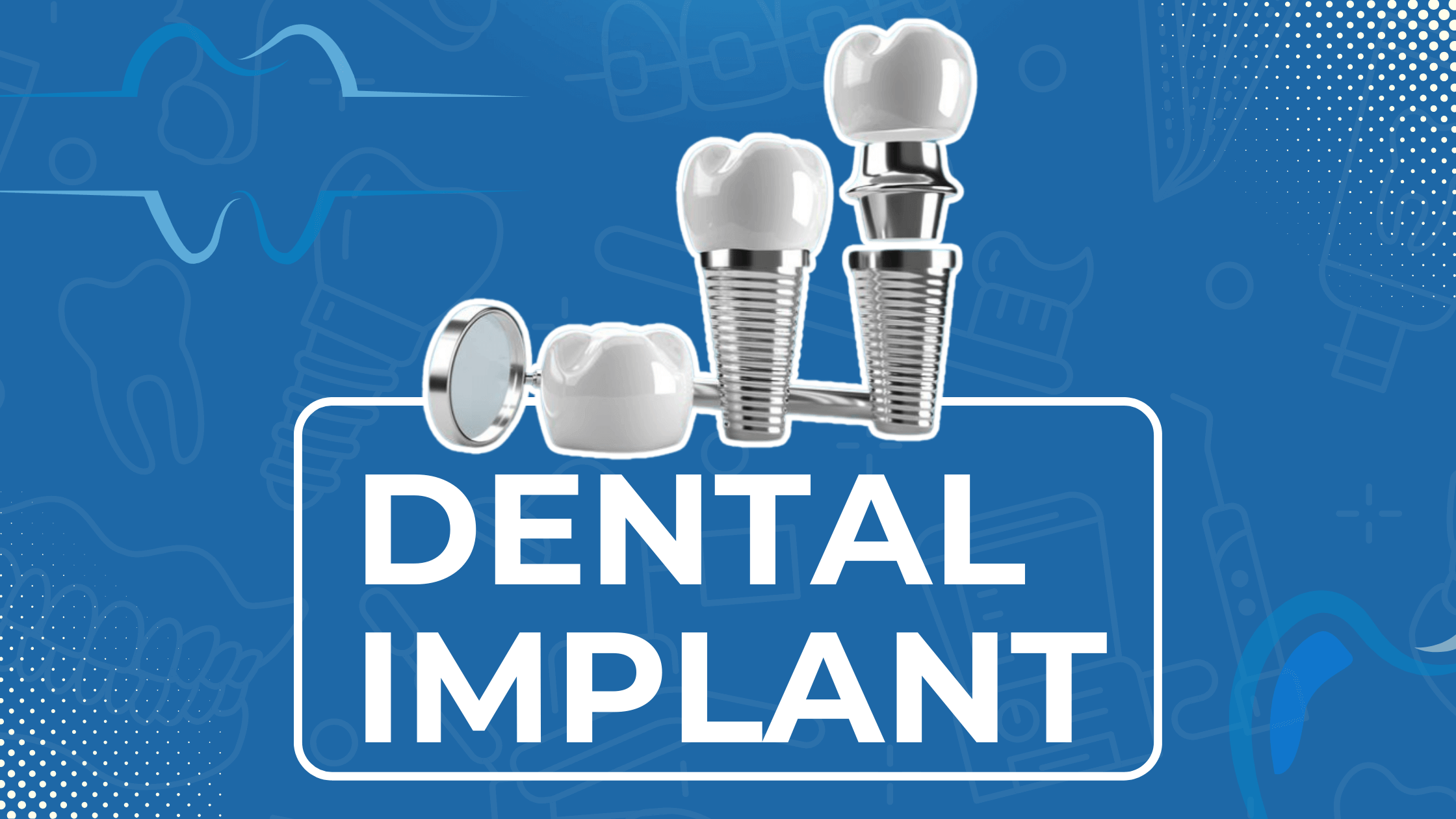
A dental implant consists of three main parts:
- The titanium implant placed inside the jawbone
- The abutment that connects the implant and crown
- The dental crown that looks like a natural tooth
The titanium implant itself is designed to be a permanent replacement for the tooth root. Once it successfully bonds with the jawbone, it can remain stable for decades. The crown attached to the implant may eventually need replacement due to normal wear and tear, but this often happens only after 10–15 years or even longer, depending on your oral habits and the materials used.
Why Do Dental Implants Last So Long?
They Become Part of Your Jawbone
Unlike removable dentures, dental implants are surgically placed into the jawbone. During healing, the implant naturally fuses with the surrounding bone through a process called osseointegration. This creates a stable foundation similar to a natural tooth root.
Strong and Biocompatible Materials
Most dental implants are made from medical-grade titanium, a material known for its strength, durability, and compatibility with the human body. Titanium resists corrosion and is well accepted by the jawbone, making it ideal for long-term use.
They Don't Develop Cavities
The implant itself cannot get cavities like a natural tooth. However, the surrounding gums and bone still need proper care. Healthy gums are essential for keeping the implant stable.
What Can Affect the Lifespan of Dental Implants?
While implants are designed to last for many years, several factors influence their longevity.
Oral Hygiene
Good brushing and flossing habits help prevent gum infections that could weaken the tissues supporting the implant. Neglecting oral hygiene increases the risk of peri-implant disease, an infection around the implant that can lead to failure if left untreated.
Regular Dental Check-Ups
Routine dental visits allow your dentist to monitor the health of your implants, clean hard-to-reach areas, and identify potential problems before they become serious. Professional maintenance plays a key role in keeping implants healthy for the long term.
Smoking
Smoking slows healing, reduces blood flow to the gums, and increases the risk of implant complications. Patients who smoke generally have a higher risk of implant failure than non-smokers.
Teeth Grinding (Bruxism)
Constant grinding or clenching places excessive pressure on implants. If you grind your teeth, your dentist may recommend a custom night guard to protect both your implants and natural teeth.
Overall Health
Certain medical conditions, such as uncontrolled diabetes or weakened immunity, can affect healing and long-term implant success. A thorough dental evaluation helps determine the best treatment plan for each patient.
How Can You Make Your Dental Implants Last Longer?
Fortunately, caring for dental implants is very similar to caring for natural teeth. Here are a few simple habits that can significantly increase their lifespan:
- Brush twice a day using a soft-bristled toothbrush.
- Floss daily to remove plaque around the implant.
- Visit your dentist every six months.
- Avoid smoking and tobacco products.
- Limit chewing extremely hard objects like ice or hard candies.
- Wear a night guard if you grind your teeth.
- Follow your dentist's oral hygiene instructions.
Consistent care can help your implants remain healthy and functional for many years.
Signs Your Dental Implant May Need Attention
Although implant complications are uncommon, it's important to know when to see your dentist. Watch for signs such as:
- Bleeding gums around the implant
- Swelling or redness
- Pain that doesn't improve
- Difficulty chewing
- A loose implant or crown
- Persistent bad breath
Early treatment can often prevent more serious problems.
What Happens If the Crown Wears Out?
Many patients worry that replacing a worn crown means replacing the entire implant. Fortunately, that's usually not the case. If the titanium implant remains healthy and firmly attached to the jawbone, only the dental crown may need replacement after years of use. The implant itself can often continue functioning without any issues.
Why Regular Maintenance Is Just as Important as the Treatment
Receiving a dental implant is only the beginning of your journey. Long-term success depends on maintaining healthy gums, following good oral hygiene practices, and attending regular dental examinations. Just like natural teeth, implants require ongoing care to remain healthy and functional.
If you're considering Dental Implants in Jaipur, choosing an experienced dental team and following proper aftercare can significantly improve the longevity of your treatment.
Why Choose Manglam Dental Hospital for Dental Implants in Jaipur?
At Manglam Dental Hospital, we focus not only on successful implant placement but also on helping patients maintain their implants for years to come. Our implant care includes:
- Comprehensive implant evaluation
- Digital treatment planning
- High-quality implant systems
- Personalized aftercare guidance
- Regular follow-up examinations
- Long-term implant maintenance
Our goal is to help every patient enjoy a healthy, confident smile with predictable, long-lasting results.
Frequently Asked Questions
Yes. With proper care and regular dental check-ups, the implant itself can often last a lifetime.
The crown usually lasts around 10–15 years or longer, depending on oral hygiene, bite forces, and daily habits.
Yes. Smoking increases the risk of gum disease, delayed healing, and implant failure.
No. They should be brushed and flossed daily, just like natural teeth, along with regular professional cleanings.
Poor oral hygiene, untreated gum disease, smoking, and lack of regular dental visits are among the most common causes of implant complications.
Keep Your Dental Implants Healthy for Years to Come
Dental implants are designed to provide a long-lasting solution for missing teeth, but their success depends on proper care and regular maintenance. By following good oral hygiene habits and visiting your dentist for routine check-ups, you can enjoy a healthy, functional smile for many years.
If you're looking for a dental implant clinic in Jaipur or have questions about implant care, the team at Manglam Dental Hospital is here to guide you with personalized advice and comprehensive dental care.